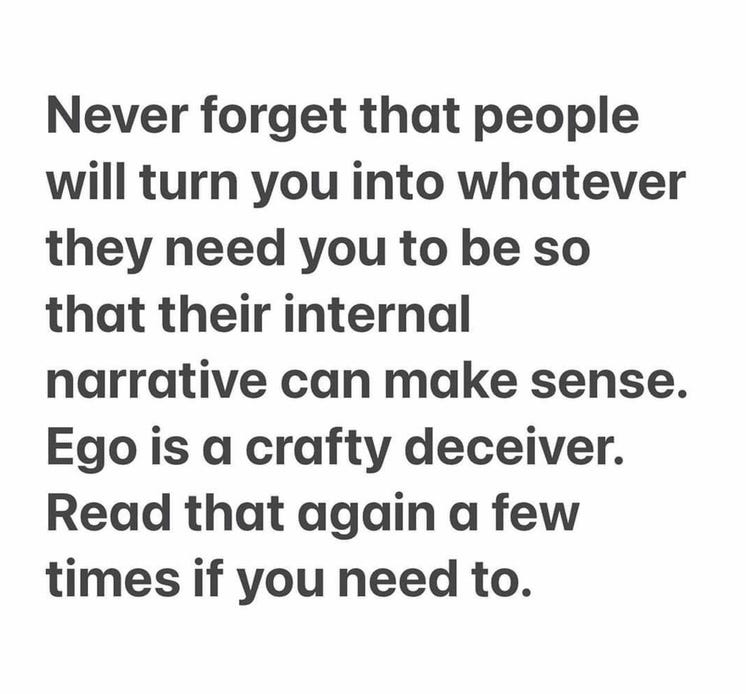
Break the Pattern: Break The Story
Becoming aware of the little stories we tell ourselves allows us to change them for the better.

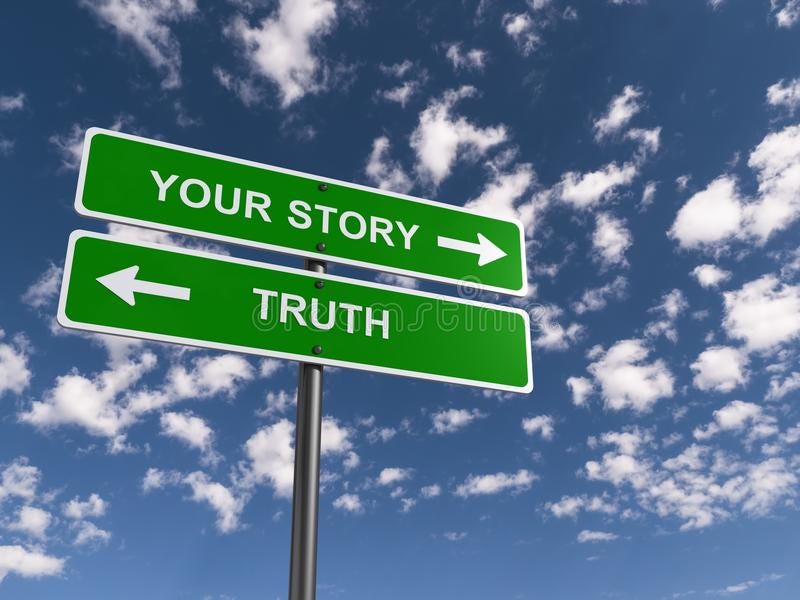
Everybody has a story; probably many of them. We carry these with us; tales about our rights and wrongs, about things someone may have done to us, about what we expect from others. Our Story is a reflection of our Ego, it tells us who we are and what we do.
But should it? Is our Story true? Is it the Story we want to have? Or just the Story we have learned?
Maybe we need a new Story, a better one. Or perhaps what we need is...no Story at all.
In the previous Break The Pattern exercise, I asked you to break the yardstick you’ve been using to measure your progress, and try creating a better one. Your yardstick relates directly to your Story—how far you’ve come, how you got here, where you are going.
Each of us begins creating the Story which provides our mental overview in childhood, based upon interactions with family and friends. We see how elders and others perceive the world and act in it, and we take on the views, beliefs, and behaviors that resonate with us.
As we move through life, we may find some of these things lead to disappointment, cynicism, or a feeling of stagnation; while others give us advantages and resilience. We acquire new parts to the Story of our lives as we go, and work to assimilate these new threads into our world view. This can lead to cognitive dissonance, which if we listen to it, makes us re-evaluate our beliefs and work to re-integrate them.
It’s good to question your Story frequently, to stop and listen to the thoughts in your head at various points in your day. What are you telling yourself when you encounter difficulties or resistance? What words do you think when things go well? What goes through your head when you see a pattern repeating itself?
If we can catch these thoughts, identify them, write them down, and analyze them, we can use them to capture the big picture of our overriding Story.
Seek out your Story and identify it.
Your Story consists of set programs which might place limitations and expectations on you, that you haven’t previously recognized.
Perhaps your Story provides excuses for you, to do, or not do, certain things?
Or maybe it gives you the strength of purpose to speak up for yourself.
Step back and stop yourself at various points in your day, and see if you can hear what the Story in your head is telling you at that moment.
Stories are not always negative, nor are they always harmful. But even if a Story is positive, it is important to be aware of it (and its influence) and check frequently to see if it is still useful to you.
Here are some examples of common Stories:
“People always rely on me.
I am so _____ (clumsy, unlucky, ugly, etc.).
I am strong, I can take it!
It figures I'd get stuck with this task.
Why do I mess up everything?
Regardless of my own needs, I have to be there for ____.
I look out for other people, because they never pay enough attention to what they are doing.
I can fix that!!
So-and-so is on my bad list now....
I make everyone feel better, but no one does that for me.
Everyone just piles more work on me.“
These are just a few out of millions. Some of these phrases are judgmental, others have tones of self pity, or suggest we should take on more than may be fair.
See if you can catch the little snippets in your thinking that point to your over-riding Story, and make note of them.
Does your Story make you feel better, or more burdened?
What would your life be like without it; or without certain parts of it?
What benefits does it give you, or what deficits does it create?
Consider these things carefully.
You can change your Story by becoming aware of it. You can notice when it appears, and question it. Then, find a way to replace it with something that fits better, or helps you feel more positive.
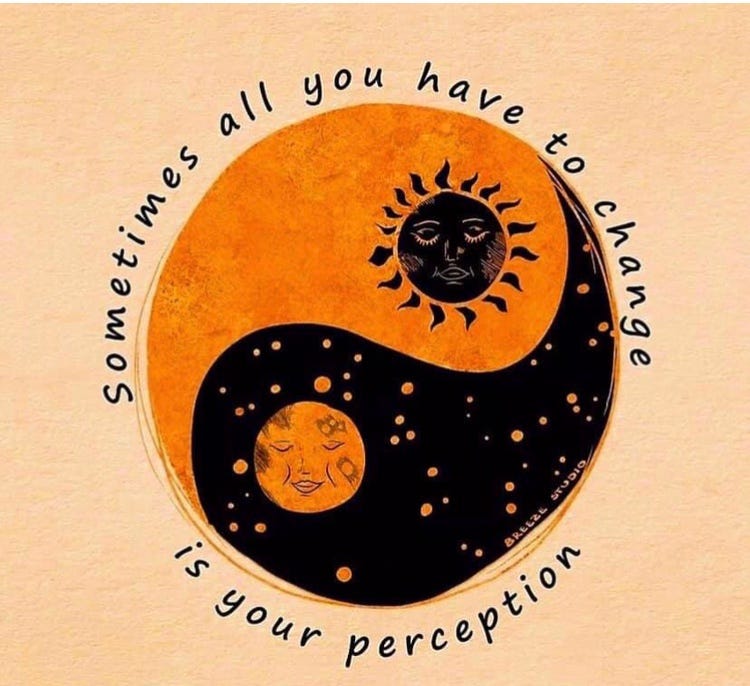
Try replacing “I always mess this up” with “How can I approach this problem from a different place?”.
Instead of “Everyone just piles more work on me”, review your workload, and if it is unreasonable, request the assistance you need in order to complete your daily tasks.
Instead of “so-and-so is on my bad list now”, try to find empathy with them; or if that isn’t possible, make a note to review your requirements for trusting others.
If you feel something strongly, ask yourself whether it’s accurate.
You can change your Story for the better. And the more aware you are of what you tell yourself, the more control you have to direct your own life the way you want.
If anyone wants to discuss their experiences with catching and changing their Story here, feel free. Just keep it as friendly and positive as you can.
This is meant to be a safe place to explore complicated ideas.
Be kind, to yourself and others