
Change The Pattern
Walking that mile in someone else’s moccasins

Break The Pattern: Exercise One
Part of the work I want to do with Positive Feedback Loop involves breaking ingrained cultural behavior. The plan is to focus on small pieces of the overreaching web of learned behaviors in our society, challenge them, and see if behaving differently opens up new ways for us to think, live, and be. From time to time, I’ll set suggestions for us to try as we move through the coming week/month/year. Try them; you may like them. Perhaps they will be helpful.
Here is the first.
Compassion and Empathy: walk a mile in someone else's moccasins.
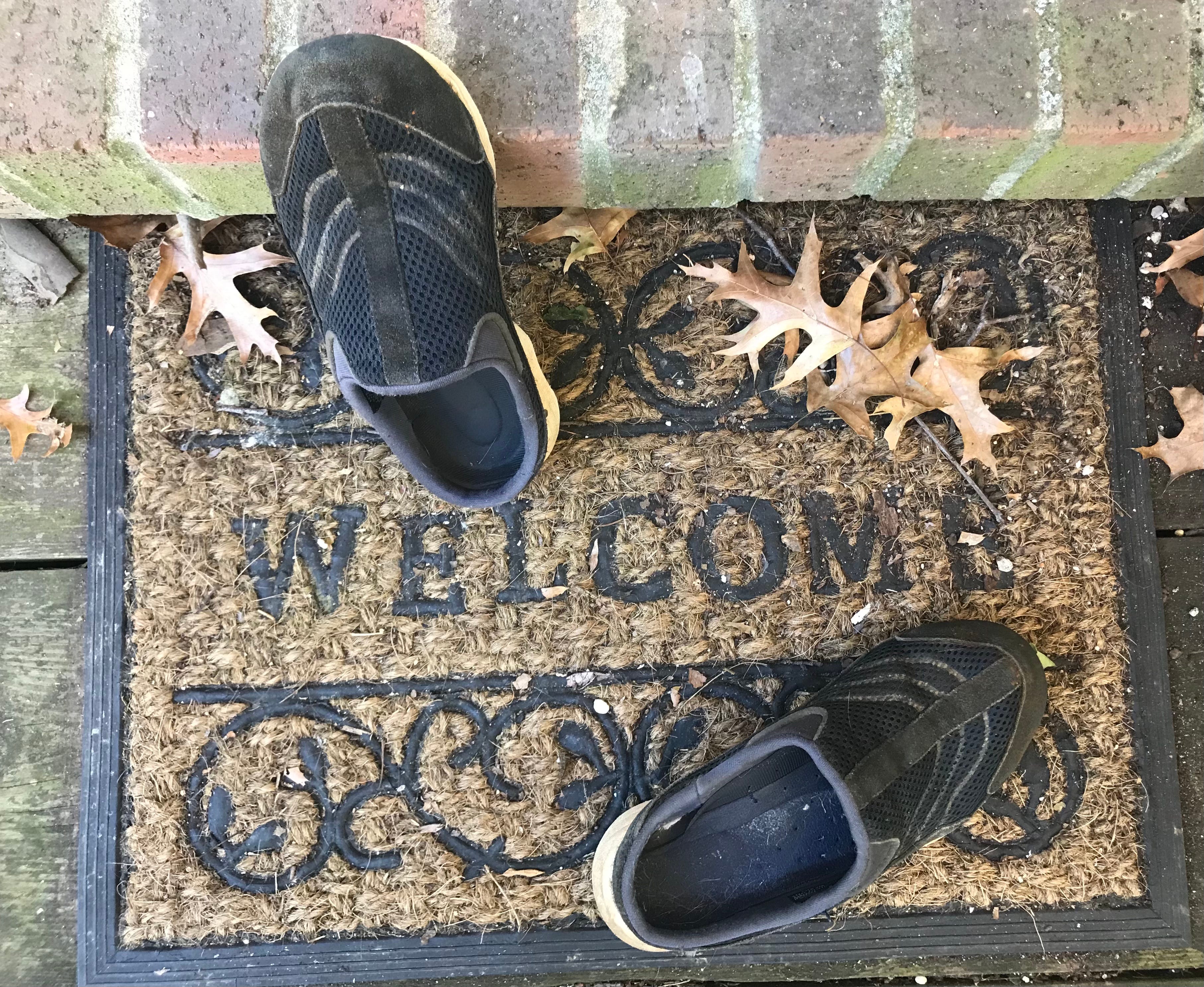
Not everyone shares your perception of the Universe. In fact, no one sees the world or understands it exactly as you do. Therefore your experience is yours alone. And everyone else's is everyone else's--each completely unique to the individual body, lessons, surroundings, abilities, senses, and so on.
Your understanding of what it means to be responsible, or what it means to be hungry, or what it means to be alienated, exists only in your mind and body. There will be some commonalities, of course. But your comprehension of anything will be based on your own experiences of what it can mean, possibly augmented by things you have read, watched, or heard told by others with more direct interaction.
Our culture passes judgement on people based on their appearance or actions. In our modern world there is a learned behavior to "profile" people based on their clothes, actions, manner of speech, and many other cues which can indicate that a particular person may pose a threat to us, or someone else. And sometimes these cues can indeed be useful in keeping you safe. This is all learned inherently, as part of our cultural paradigm.
Empathy is the ability to comprehend someone else's experience. Compassion literally means "to suffer together". It involves the suspension of judgement about another, often coupled with the desire to help them (or not). It allows us to see someone from a different perspective than the "profile" image we might develop at first; it can enable us to see their situation from their own point of view, which may contain feelings and thoughts we have not personally experienced; or which maybe we have forgotten.
The old expression "walk a mile in someone else's moccasins" is a good description of empathy, which can be the beginning of compassion.
Someone who looks dirty and rough may have worked a hard, tiring day; the woman throwing a fit over a minor detail in a store might have just reached a breaking point under the stress of her life. We don't, probably won't, and likely don't want to, know the details behind it.
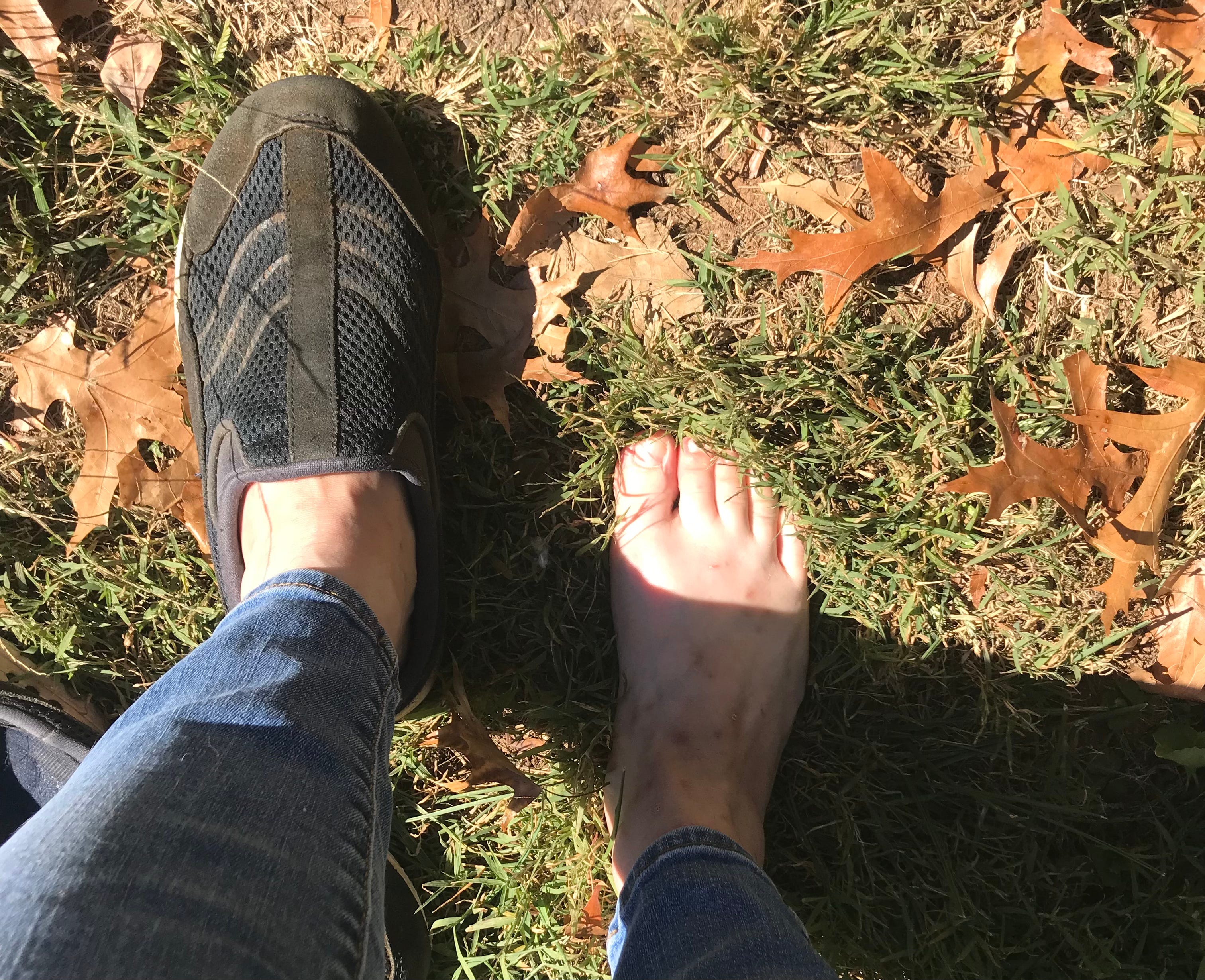
But we can give them grace. Consider--how would you want to be treated if you were in their shoes?
So for at least the coming week, I ask you to attempt to hold a compassionate space for all those you encounter. See if you can refrain from passing judgement upon others--most particularly those who annoy you. The guy driving the car which just cut you off? Wish him well and a safe journey home. How many times have you suddenly realized you had to change lanes at the last moment? The elderly woman taking forever to pay at the grocery check out? Be glad she can still do things for herself, or hope that she has someone to care for her. How will you handle things when you are older? Try to change your annoyance into a wish that things will get better for these humans.
You don't know the story behind all the people you encounter, and they do not know yours. If we can all give each other the benefit of the doubt, we might inspire each other to be kinder, calmer, and have better experiences in the world.
Take a deep breath when you feel impatience. Ask yourself to consider why a person may be behaving the way they are. Then, try to see them with compassion and without judging them. See if it doesn't make you feel better, and less angry. It is also important that you understand that your actions are unilateral--people may or may not respond to you in kind. In addition to suspending judgement of others, you must suspend your expectations as well. However, it is possible that meeting people with kindness and respect will cause them to react to you in the same way.
If not, wish them well, and go on your way.